
Tea Laroux is a fine artist using a multidisciplinary approach to photography to explore Sephardic memory, sacred light, and historical landscape. His work has been exhibited and published nationally and internationally in Rome, San Francisco, and New York. His work can be found on his website at tealaroux.com.
I came to Spain as a symbolic act of return for my ancestors, who were forced to flee during the years of persecution leading up to the Edict of Expulsion in 1492 and eventually built a new home in Nuevo León, Mexico. I had been working on my archival series, Thresholds of Belonging, for five years, hoping to conclude the project by investigating what it means for Sephardim to belong in contemporary Spain. Thresholds explores exile, return, and spiritual inheritance; it is informed by research into Golden Age, Sephardic history and traditional iconography, and examines the physical, political, and spiritual borders in the Andalusian landscape.
That said, my visit to Andalusia gave me a clear perspective on why the region remained so central to Sephardic life for centuries. Poets like Shmu’el HaNagid, Judah HaLevi, and Solomon ibn Gabirol wrote extensively about the majesty and spirit of this landscape. Jewish mysticism took root here. It was a land where the Shivat HaMinim thrived; the closest substitute to Israel in exile. Modern-day Andalusia is still filled with the sensory elements that inspired my creative ancestors: the fragrance of fig trees, ripe pomegranates, olive groves, wine that inspired centuries of verse, and the breeze rolling across the hills. Yet, while the Sephardic artistic soul still permeates the history of Andalusia, its distinctive legacy is left to be uncovered only by those who actively seek it out.
During my visit, I was granted restricted access to photograph inside the historic Sinagoga in the Jewish quarter of Cordoba. Standing alone inside this former place of worship was an overwhelming, deeply emotional experience. Yet, as my family and I walked through the narrow streets of the quarter afterward, past formal monuments dedicated to the Jews that once lived here, it felt like walking among tumbleweeds blown through an abandoned ghost town—memories of a Jewish past that has long since died. We were the only Jews in the Jewish quarter.
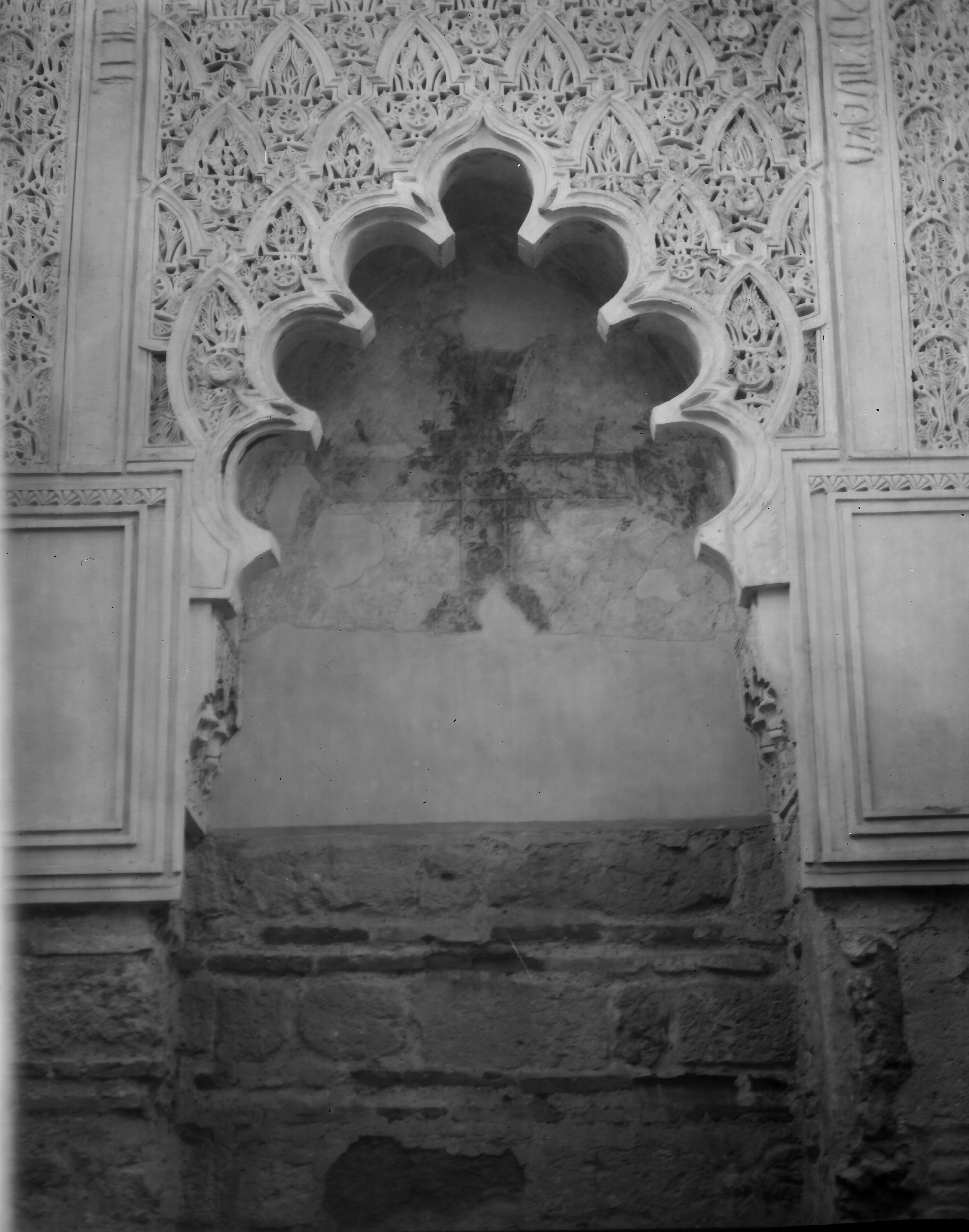
Andalusia’s Jewish history exists within a curious purgatory. On one hand, it is officially remembered through signposting, statues, and designations, but on the other, it is willfully ignored in Spanish culture. Christian and Islamic heritages are proudly, visibly celebrated. The regional identity is praised as a grand synthesis of Islamic Al-Andalus and Catholic conquest, with artistic legacies neatly divided between the two. While you will find dedicated museums, preserved synagogues, and cultural organizations that preserve the fragments of Sephardic history, you begin to question if you are the only one that can see them. Jewish history is everywhere here, and is often hiding in plain sight. The tension between the testaments to our history and the effort to erase it through silence is palpable in Andalusia.
This tension was most profound in Granada. Visiting the Alhambra was the most upsetting part of the trip. To see the very grounds where the Edict of Expulsion was signed, the death knell of Jewish life in Spain, reduced to a social media backdrop was sickening. This is the land where the home of Shmu’el HaNagid once stood and has been debased by a morally bankrupt culture, too cowardly to acknowledge history, and thus doomed to repeat it.
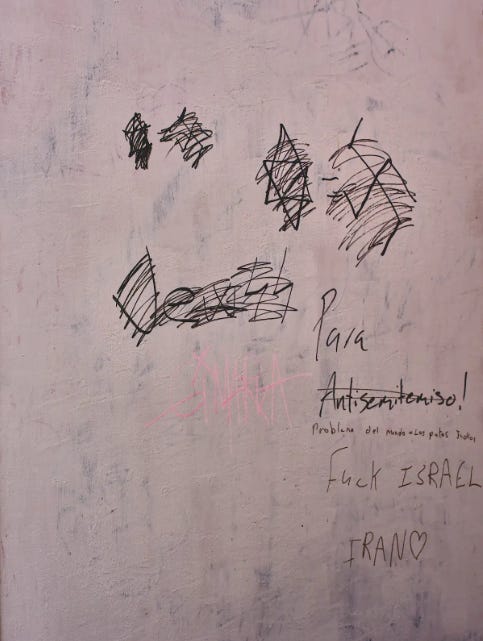
The fruits of this culture were plain to see when we entered Granada’s historic Jewish Quarter. Walking to the Museo Sefardí, we were met with antisemitic signs on storefronts, and just a block from the museum, a wall of graffiti with a range of penmanship all comparing Jews to Nazis and ending with: Problema del mundo = los putos Judios. We stood there and we understood. Jews are not welcome.
When we reached the museum, we met Yosef, and his wife Batsheba, who welcome visitors into their home, which they have dedicated to preserving Granada’s Jewish history. Learning about their family’s commitment to protecting this memory at all costs was profoundly moving. Among their archives were Converso artifacts from families who had migrated to Mexico, bearing surnames present in my own family tree. As one of the very few Jewish families still living in Granada, we asked them about their choice to maintain a visible identity despite the antisemitism that we had seen yards from their home. Batsheba acknowledged the hardship but personified the Sephardi spirit that has thrived and remained true through centuries of persecution when she said: “We’ve been silent for 500 years, I’m not going to be silent anymore.”
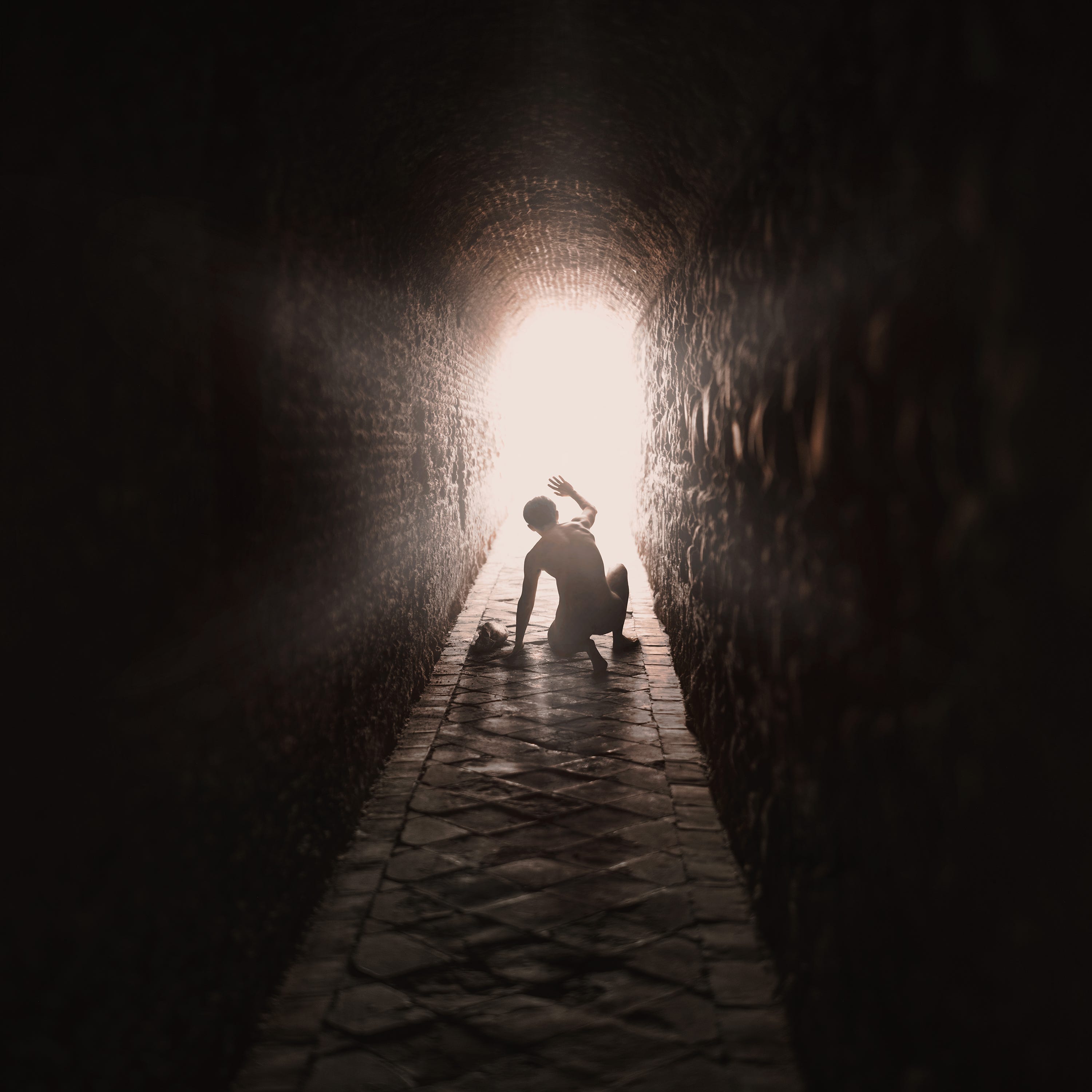
While much of this journey filled my heart with anger and grief, it underscored the critical necessity of preserving Sephardic memory, and I feel that I created some of the most meaningful work of my life during this time. Sephardic memory still lives on within us because we choose to remember. No one can write us out of history if we are its witnesses. We pass on our traditions to our children, and they shoulder that legacy to pass on to their children.
The reality of modern Spain deeply informed the final chapter of Thresholds of Belonging. We exist on the thresholds of belonging—a space where we are left to contemplate what belonging means, even when true entry is denied. We may have been offered citizenship as reparations, but we will never belong. Our history is left to us alone to remember. Through my work, I hope to ensure that the rich, unbroken artistic legacy of the Sephardim in Spain continues to be witnessed.
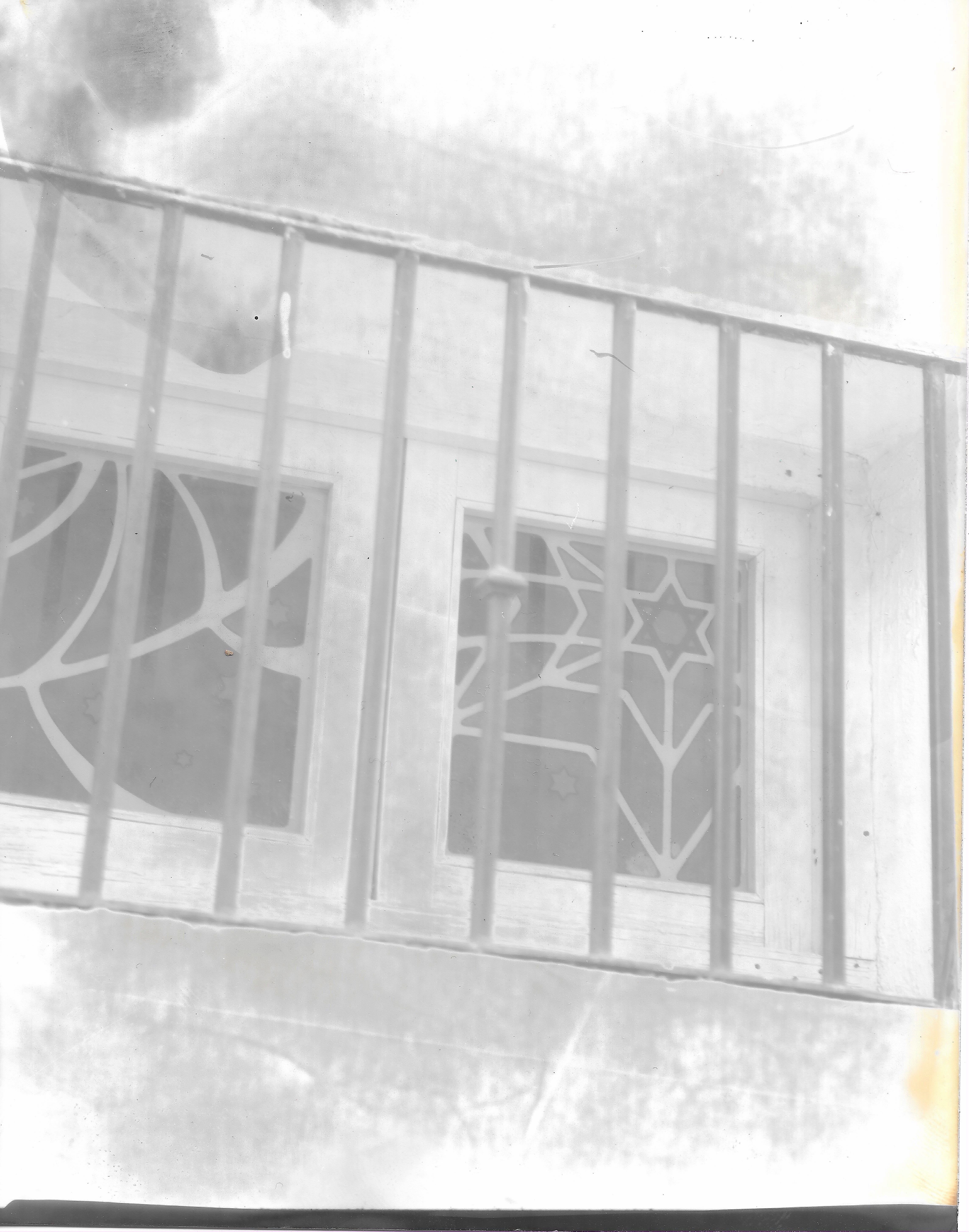
Those beautiful windows!!
Thank You for your costly historical retrieval work; otherwise I would never have seen it.
I looked at the star again and have never seen a similar one: it seems to show it’s radiating.
The other one, almost a beautiful background enhancing toward it. Lovely.
Thank you for sharing your artistic and emotional experience. Your article is very truthful and onpoint - clearly it is our responsibilty to perpetuate our history and traditions for future generations. Look forward to seeing more of your beautiful photos and articles published!